
GURU–ŚIṢYA SAMBANDH
The Sacred Relationship Within the Parampara
"The Guru–ŚIṣya sambandh is the living heart of the Himalayan Siddhashram Guru Parampara. It is not mentorship. It is not intellectual instruction. It is not personality devotion."
"It is a sacred alignment between transmission and receptivity. Through this relationship, the current of the Parampara flows."
Guru Tattva — The Principle Beyond Personality
In this tradition, the Guru is not understood merely as an individual. Guru is Tattva — the living principle of illumination.
The physical Guru serves as the embodied doorway through which the lineage current becomes accessible. Yet what operates through the Guru is not limited to personal identity. It is the accumulated tapas, realisation, and subtle force of the entire Parampara.
The Collective Force
The Guru Mandal
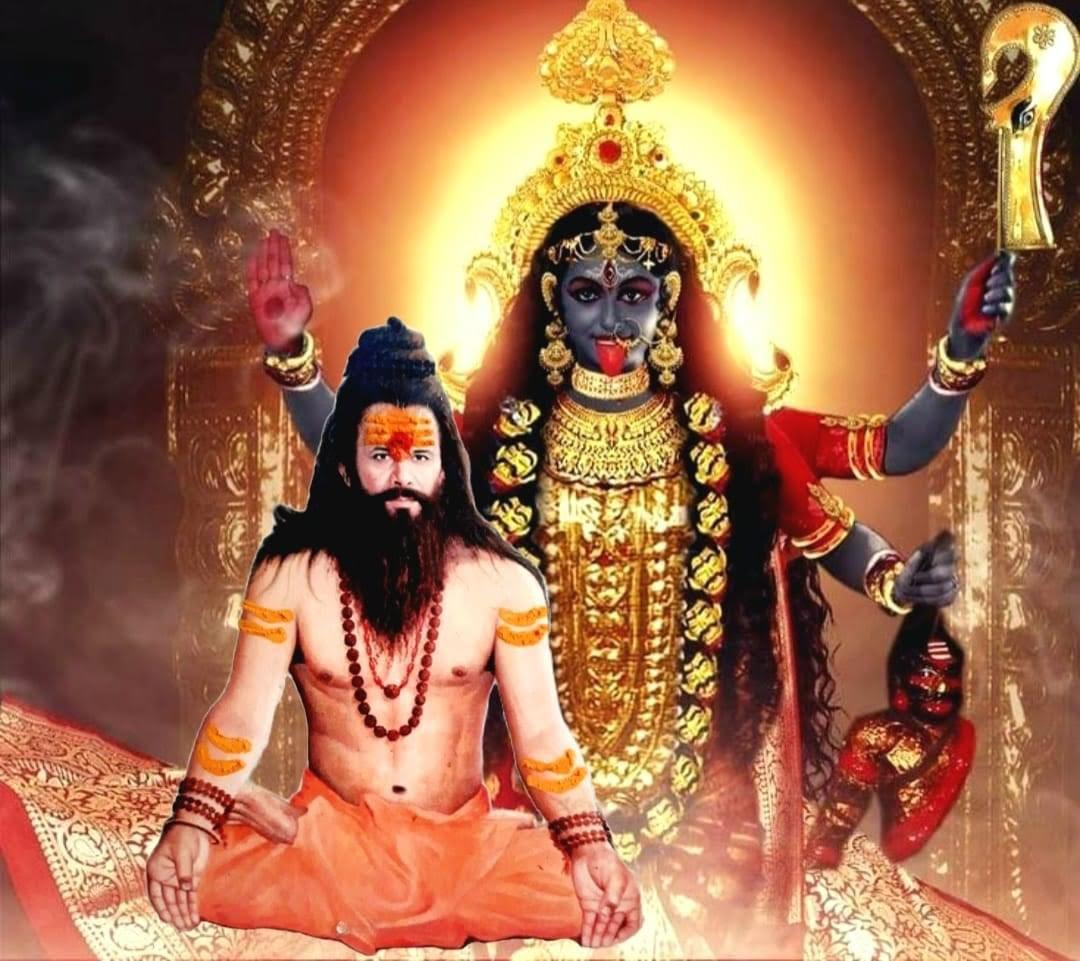
No Guru functions in isolation. Within this Parampara, the Guru is the visible axis of an invisible Mandal — a circle of lineage masters, Siddhas, and subtle guiding presences.
When Diksha is conferred, it is not a private act of blessing. It is the operation of the Guru Mandal through the living Guru.
The Mandal sustains:
- ✦ Protection
- ✦ Correction
- ✦ Testing
- ✦ Refinement
- ✦ Advancement
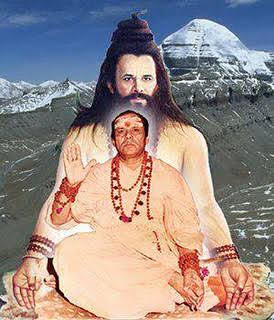
"The disciple is gradually integrated into this field. This understanding preserves humility — both in Guru and disciple."
The Great Directive
Guru Āgya Sarvopari
Within the Guru–Śiṣya sambandh, Guru-āgya (the Guru’s directive) holds central place. Guru-āgya is not domination. It is alignment.
The instruction given by the Guru is designed for the disciple’s purification and refinement. It may challenge preference, dismantle egoic rigidity, and demand discipline.
Sacred Distance and Maryādā
The Guru–Śiṣya relationship is held within maryādā — sacred boundaries that preserve clarity and integrity. Familiarity is not encouraged. Reverence is maintained.
Sacred distance protects both teacher and disciple. It ensures that transmission remains pure, free from emotional confusion or social distortion.
Maryādā sustains the Parampara.
Qualities of a Śiṣya
"The śiṣya does not seek experiences. The śiṣya seeks refinement."
Shraddhā (Faith)
Trust in the Guru, the Devatā, and the lineage.
Vishvās (Confidence)
Steady resilience during periods of testing or inner purification.
Anushṭhāna (Discipline)
Daily practice maintained regardless of mood.
Vinaya (Humility)
Openness to correction without defensiveness.
Satya (Truthfulness)
Honesty in reporting practice, struggles, and limitations.
Dhairya (Patience)
Willingness to advance gradually.
Responsibility of the Disciple
To receive Diksha is to accept responsibility. The Guru gives transmission; the disciple sustains it through practice.
- ✦ Maintain daily Sādhana
- ✦ Preserve confidentiality of initiatory practices
- ✦ Avoid mixing traditions without guidance
- ✦ Uphold Dharma in conduct
- ✦ Communicate honestly with the Guru
The Foundation of All Sādhana
"Without Guru–Śiṣya sambandh, advanced Sādhana becomes unstable."
"With proper sambandh: Mantra gains potency. Tantra gains structure. Śrī Vidyā gains depth."
In the presence of Guru Tattva, the path becomes clear.
Shraddhā sustains it. Discipline deepens it. Parampara protects it.